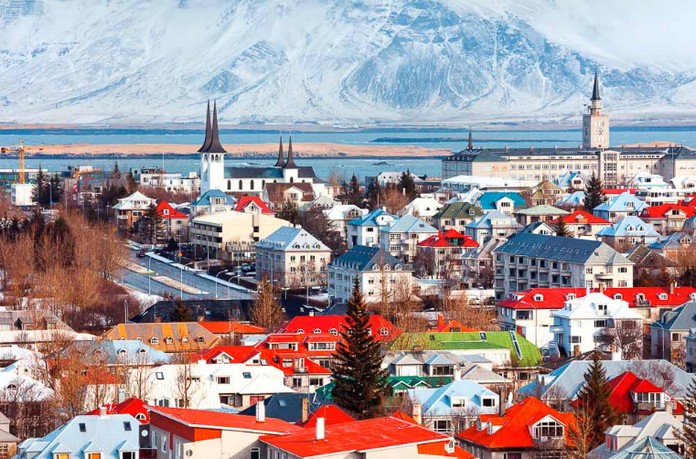
Iceland’s capital, Reykjavik, has seen an enormous boom in tourism over the past decade, fueled by the country’s stunning natural landscapes and popular marketing campaigns like the “Inspired by Iceland” initiative. While Reykjavik itself is relatively small, with a population of about 130,000, it is the gateway for the millions of tourists who come to explore Iceland’s glaciers, volcanoes, waterfalls, and geothermal springs.
This tourism boom has brought economic benefits to Iceland, but it has also raised concerns about the environmental impact of so many visitors. Iceland’s fragile ecosystems are particularly vulnerable to over-tourism, with popular sites like the Blue Lagoon and the Golden Circle suffering from erosion and waste issues.
To address these challenges, Reykjavik and Iceland as a whole have implemented measures aimed at promoting sustainable tourism. The country has invested in infrastructure improvements to handle the growing number of visitors while limiting access to particularly sensitive areas. Moreover, Iceland has launched campaigns to educate tourists on how to travel responsibly and respect the environment.
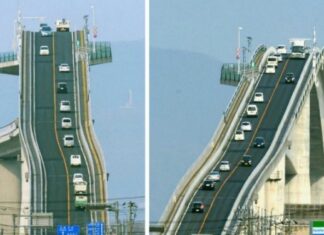
Here are some of the most dangerous and insane bridges in the world that you'll have to think twice before crossing. Some of them are just breathtaking...