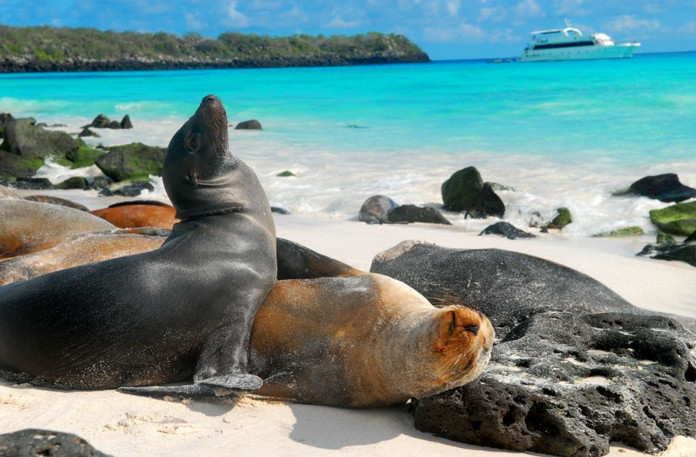
The Galápagos Islands, located off the coast of Ecuador, are unlike any other place on Earth. This archipelago, made up of 18 main islands and dozens of smaller islets, is famous for its unique biodiversity, having inspired Charles Darwin’s theory of evolution by natural selection. A trip to the Galápagos is a chance to witness species and ecosystems that exist nowhere else in the world.
The islands are home to a wide variety of wildlife, from giant tortoises to marine iguanas and flightless cormorants. The waters surrounding the islands are equally rich, with opportunities for snorkeling or diving with sea lions, penguins, and hammerhead sharks. Each island in the Galápagos offers something different—Santa Cruz is known for its large population of giant tortoises, while Española Island is famous for its albatross colonies. The volcanic landscapes of Isabela Island are stunning, with craters and lava fields providing a dramatic backdrop to the island’s wildlife.
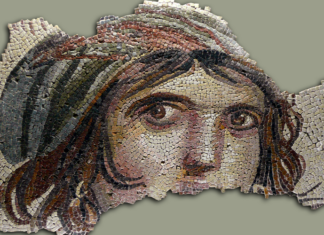
Mosaics were very popular in the Roman Empire. From the colorful, marble (or glass cubes) squares various patterns were laid on the floors or walls. Many beautiful ancient compositions have been preserved to our day, which prove the craftsmanship of ancient craftsmen. Here are 10 places where we will see some of the most beautiful Roman mosaics.